AI Technologies Redefining Construction Planning and Operations
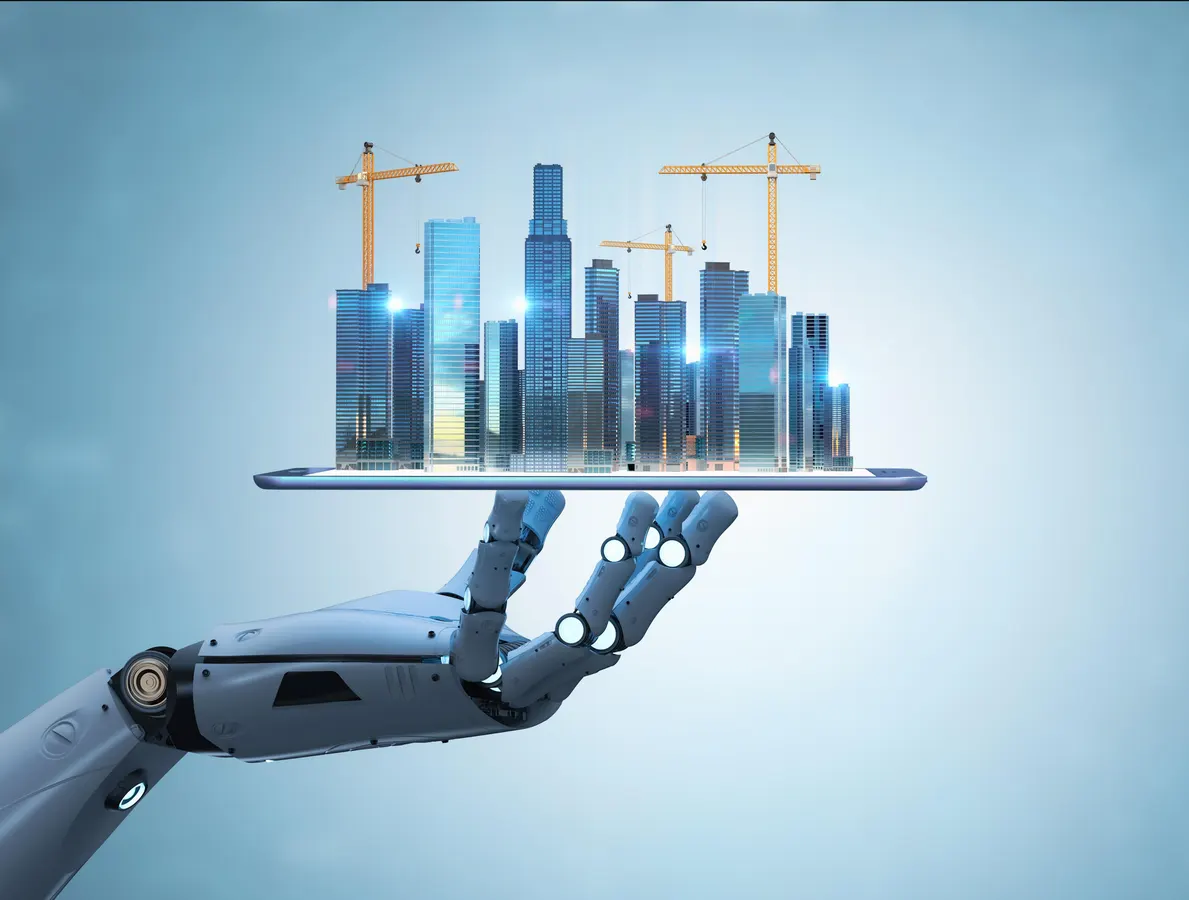
Artificial Intelligence in Construction
Artificial intelligence is revolutionizing how construction projects are planned, executed, and managed. Construction traditionally relied on manual processes, experience-based decision-making processes, reactive problem solving strategies, and reactive problem resolution techniques; with AI technologies taking hold in construction operations the industry is shifting toward predictive, data-driven operations with faster project completion times than ever. AI allows professionals to analyze vast amounts of information more efficiently while streamlining workflows and reducing human errors to enhance overall project outcomes while embedding intelligence in machines software and systems makes construction increasingly adaptive, safer and resilient against ever increasing complexity - opening doors of opportunity never seen before in construction!
AI plays a pivotal role in optimizing construction planning and design processes, from initial conceptual designs through construction completion. Intelligent algorithms can evaluate multiple design options, assess feasibility, identify potential conflicts before construction starts and optimize layouts while reducing design inefficiencies. AI tools assist architects and engineers in producing more accurate designs with reduced rework. By anticipating potential challenges early, teams are better able to address them smoothly leading to smoother execution as well as greater alignment between their original intent and on-site realities.
Enhancing Construction Safety With Intelligent Systems
Safety remains at the core of construction, and AI is revolutionizing how risks are identified and mitigated. Computer vision systems powered by AI can monitor construction sites in real time for unsafe behaviors, equipment misuse or hazardous conditions that need mitigating; wearable devices equipped with AI analyze worker movements and environmental factors in real time to detect when safety thresholds have been exceeded and issue alerts accordingly. AI provides proactive risk identification which leads to safer work environments, reduced accidents and fosters a culture of preventative measures rather than reactive reactions; proactive risk identification creates safer work environments as well as foster a culture that promotes proactive measures rather than reactive reactions being taken - helping create safer work environments while mitigating risks rather than reacting reactively reacting upon situations arising.
AI in Construction Equipment and Autonomous Machinery
AI technology has transformed construction operations. Autonomous and semi-autonomous machinery now performs tasks such as excavation, material handling and site grading with great accuracy. AI-enabled equipment uses sensors, cameras and machine learning to adapt to changing site conditions more effectively - helping construction sites become more productive and controlled as intelligent machines take on repetitive or hazardous tasks at reduced labor costs.
AI Applications Enhancing Resource Management
Successful construction projects depend on efficient use of materials, labor and equipment. AI systems analyze project data to optimize resource allocation and minimize waste. By anticipating material requirements and recognizing shortages early enough for timely procurement and usage. Workforce management also benefits from AI insights allowing for better scheduling, skill matching, productivity tracking and overall workforce optimization for more sustainable practices in construction. These capabilities contribute to smooth operations and more sustainable construction practices.
Quality Control and Inspection Processes AI technology plays an essential role in maintaining construction standards, and AI inspection accuracy and consistency is enhanced by image recognition tools that compare on-site conditions with design specifications, instantly detecting any deviations that arise on site. Drones equipped with AI can capture high-resolution images of structures for remote inspection and detailed analysis; both technologies reduce manual inspection reliance, improve documentation practices, and ensure any quality issues are dealt with swiftly before they escalate further.
Predictive Maintenance and Asset Management with AI
Artificial intelligence enables predictive maintenance by analyzing data collected from construction equipment and infrastructure assets. Intelligent systems monitor performance patterns, detect anomalies, and predict potential failures before they happen - which reduces downtime, extends equipment lifespan, and lowers maintenance costs. Long-term asset management relies on AI's ability to support informed decision-making by offering insights into structural health, usage patterns, maintenance needs and asset longevity and reliability ensuring their longevity and durability over time.
Construction supply chains can be complex and vulnerable to disruptions, but AI helps make supply chain coordination more effective by analyzing logistics data, supplier performance and delivery timelines. Intelligent systems also anticipate delays by optimizing transportation routes or managing inventory more efficiently - this leads to improved visibility and responsiveness that allows materials to flow more smoothly to construction sites for better coordination among stakeholders and reduced project interruptions.
AI plays an essential role in supporting sustainable construction practices by supporting environmentally responsible practices. Intelligent systems analyze energy use, material efficiency, waste production and generation to identify opportunities for improvement. AI-assisted design tools support energy-efficient buildings while optimizing material selection. AI monitors emissions and resource consumption during construction to help teams reduce environmental impact - aligning construction activities with sustainability goals while adhering to long-term environmental responsibility goals.
Future Prospects of Artificial Intelligence in Construction
The future of construction will become more intelligent, connected, and automated as technology like digital twins, robotics, and advanced analytics continue to emerge. AI adoption will increase along with these emerging technologies, leading to integrated construction processes incorporating real-time decision making across project lifecycles and providing real-time decision making capabilities across project lifecycles. When combined with human expertise combined with AI-generated insights AI will foster innovation resilience and continuous improvement allowing construction professionals to build smarter safer more cost effective structures than ever before! AI will not replace construction professionals but empower them as together they build smarter, safer more cost efficient structures than before!
Top Trending Reports -
India Edge Data Center Market Trends
Категории
Больше
L'Univers Krosmoz De l'étreinte primordiale entre deux forces, naquit un cosmos aux dimensions plurielles. Cet œuf-univers, nommé Krosmoz, abrite les galaxies où prennent vie Dofus et Wakfu. Il est le reflet d'une identité créative unique, mais aussi le socle d'ambitions stratégiques grandissantes. Comme l'entité qui lui donna naissance,...

The Xbox Series S faces another hurdle with Black Myth: Wukong's optimization delay. Game Science confirms the Xbox version requires more time for polish, missing the August 20 launch. This delay highlights the ongoing challenge of scaling demanding titles for the less powerful console. Meanwhile, PC and PS5 players will access the full game on schedule as planned. The studio cites a commitment...
Reflecting on a Digital Milestone: A Decade Since the Melissa Worm Ten years have passed since the emergence of a significant cybersecurity incident that fundamentally altered our approach to digital threats. The Melissa worm, first identified on a Thursday a decade ago, marked a pivotal moment in the evolution of malware and defense strategies. Originally distributed through Usenet's alt.sex...
UK officials confirm virtual private networks remain lawful tools, though authorities acknowledge monitoring their application patterns with heightened scrutiny. Consumer adoption of VPN services has demonstrated substantial growth across Britain, notably accelerating after July 25th age verification mandates took effect. Science Secretary Peter Kyle explicitly denied any imminent...
Genshin Impact 6.3 Preview The upcoming Genshin Impact 6.3 livestream is highly anticipated, promising to unveil a comprehensive overview of the latest developments. Fans can expect detailed insights into new playable characters, banner configurations, story progression, and limited-time events that will soon arrive in the game. Currently, the game is enjoying the ongoing 6.2 update, which...