The Rising Influence of E-Wallets in Modern Digital Payments
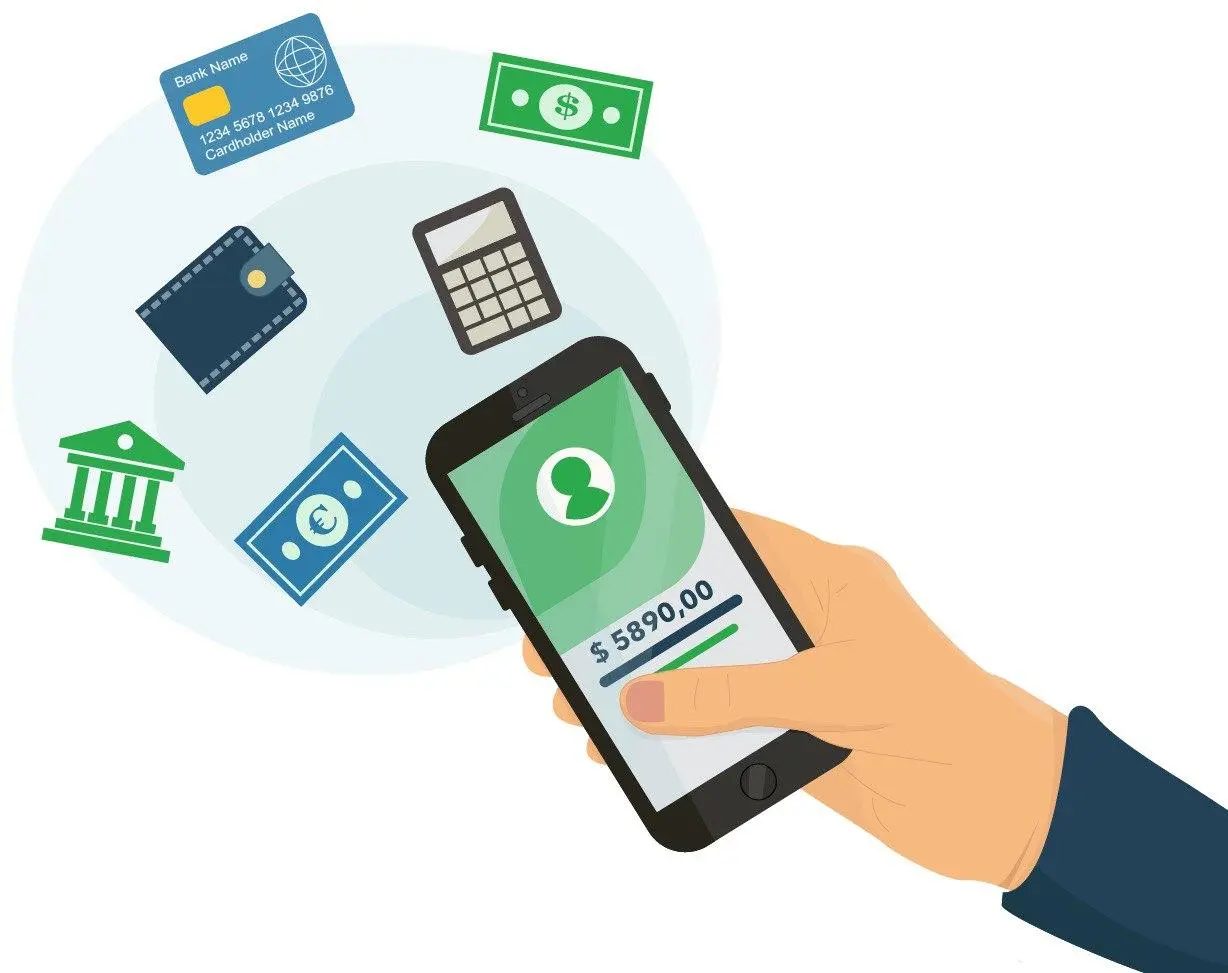
E-wallets have rapidly become a preferred method of payment in today’s digital-first world. As smartphones and internet access continue to expand, people are increasingly embracing cashless transactions for convenience, speed, and security. An e-wallet, often referred to as a digital wallet, allows users to store money electronically and make payments effortlessly through mobile apps. These wallets eliminate the need to carry physical cash or cards, making everyday transactions simpler and faster. From paying utility bills to booking travel tickets or shopping online, e-wallets have transformed the way individuals manage and spend their money.
One of the major reasons behind the rise of e-wallets is their ease of use. Setting up an account usually takes just a few minutes, and once registered, users can add funds using bank transfers, debit cards, or even credit cards. The intuitive interfaces allow even first-time users to navigate through various features smoothly. E-wallets also offer features such as transaction history, bill reminders, and quick payments, making them highly appealing for users who want a streamlined financial experience. Many platforms further simplify the process by incorporating QR code scanning, enabling seamless payments in stores, restaurants, and public transportation.
Security plays a crucial role in the increasing acceptance of e-wallets. Modern digital wallets use advanced technologies such as encryption, tokenization, and two-factor authentication to safeguard user information and transactions. These measures help reduce the risks associated with traditional payment methods, such as card theft or cash loss. Additionally, many e-wallet apps notify users instantly after every transaction, keeping them aware of account activity and providing an added layer of protection. With these robust security features, users can feel confident while making digital payments.
E-wallets have also contributed significantly to financial inclusion, especially in regions where access to traditional banking services is limited. Individuals without bank accounts can often use e-wallets to store money, transfer funds, and pay bills, thus becoming part of the digital economy. This accessibility empowers more people to manage their finances independently and participate in online services, e-commerce platforms, and digital utilities. For small businesses and local vendors, e-wallet payments reduce the dependency on cash and simplify daily transactions, enabling smoother operations.
The growing integration of e-wallets with other digital services has further enhanced their utility. Many wallets now support loyalty programs, cashback offers, and reward points, encouraging users to adopt digital payments more frequently. They are also becoming a key component of emerging technologies such as contactless payments, smart wearables, and online subscriptions. As the world steadily shifts towards a cashless future, e-wallets are expected to play an even more significant role in shaping everyday financial interactions.
E-wallets have evolved into an essential tool in modern digital payments. Their simplicity, security, and accessibility have made them a trusted choice for millions of users worldwide. As digital transformation accelerates, e-wallets will continue to redefine the way individuals and businesses handle financial transactions, offering a more efficient and convenient payment experience for all.
Categorias
Leia Mais
Любители Mobile Legends: Bang Bang вскоре смогут насладиться новым женским киберспортивным турниром, организованным лигой Skyesports SEA Championship MLBB. В соревновании примут участие исключительно женские команды, а общий призовой фонд достигнет внушительных 10 000 долларов. С 12 по 18 декабря лучшие представительницы киберспорта из стран Юго-Восточной Азии сойдутся в ожесточённой борьбе за...
Miranda Sings Set to Conquer Broadway in Netflix's 'Haters Back Off!' Season 2 The unconventional journey of internet sensation Miranda Sings continues as Netflix announces the sophomore season of their quirky comedy series 'Haters Back Off!' premiering October 20th. Despite her life being in complete disarray, Miranda has finally achieved viral fame and is now setting her sights on an even...
During the fourth episode of Live from the Other Side with Tyler Henry titled "Healing," which aired on October 8th, renowned clairvoyant medium Tyler Henry conducted a heartfelt reading involving Harry Jowsey, known for his appearances on Netflix's Perfect Match and Too Hot to Handle. In addition to Jowsey, the session included four of his closest friends: Chloe Veitch, also from Too Hot to...
Vicky White's Hidden Life Jailbreak: Love on the Run pieces together the baffling puzzle of Vicky White's life and escape. This documentary, helmed by Dan Abrams and executive produced by Rachel Stockman, seeks answers. How did an Alabama detention center's trusted assistant director of operations fall for an inmate? How did she secretly plan a prison break with Casey White? For 17 years at...
I'll rewrite the article for you. Russian Messaging Platform Mandated for New Devices Starting Next Year Starting September 2025, all new mobile devices sold in Russia will be required to come with a pre-installed domestic messaging application. The Russian government confirmed this mandate on August 21. The messaging platform, known as Max, has been positioned as a local alternative to...